Why That Jar of Ghanaian Shea Butter Costs $28 at Whole Foods — But Only $3 Back Home
Walk into any natural beauty retailer in Atlanta, Brooklyn, or Houston these days, and you'll find a growing section dedicated to West African goods. Raw shea butter. Hibiscus tea. Kente-print tote bags. Hand-carved wooden figurines. The demand is real — and so is the price shock.
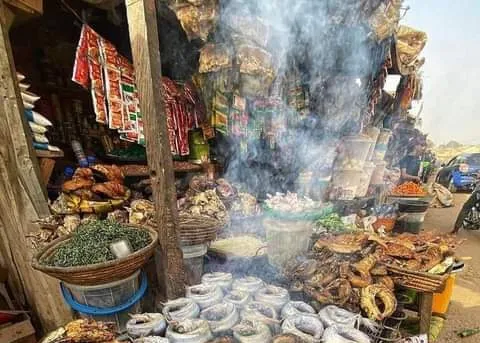
That same 8-ounce jar of unrefined shea butter selling for $28 in a US specialty store? In Accra's Makola Market, you'd pick it up for the equivalent of about $2.50 to $4. Same product. Same region. Wildly different price tag.
So what's actually happening between the village in northern Ghana where a woman hand-processes shea nuts and the shelf at your local wellness boutique? The answer involves layers of middlemen, federal tariffs, shipping logistics, and retail math that most shoppers never see.
The Journey from Source to Shelf
The markup on West African imports doesn't come from one single place — it accumulates across an entire chain of hands.
First, there's the primary exporter in the country of origin. Small-batch producers often lack the volume or certification needed to ship directly to US retailers, so they sell to a local consolidator or export agent. That agent typically adds a 20–40% margin before the goods even leave the continent.
Then comes international freight. Ocean shipping costs have stabilized somewhat since the pandemic-era spikes, but a standard container shipment from West Africa to a US port can still run anywhere from $3,000 to $6,000 depending on origin port, destination, and current fuel surcharges. Those costs get distributed across every unit in the shipment.
Once goods hit a US port — say, Baltimore or Los Angeles — they're subject to US Customs duties. The tariff rate varies by product category. Textiles, for example, can carry duties ranging from 5% to as high as 28% depending on fabric composition and country of origin. Beauty and personal care products typically land in a lower bracket, but the paperwork and compliance costs add up. Importers often work with customs brokers who charge service fees on top of the duties themselves.
From the port, goods move to a domestic distributor or warehouse. Another margin layer. Then to the retailer — whether that's a specialty African goods shop, a natural beauty chain, or an online marketplace. Retail markup on specialty items often runs 50–100% above wholesale cost.
By the time everything stacks up, that $3 jar of shea butter has a perfectly logical reason to cost $28. That doesn't mean you have to pay it.
What Importers Actually Say About the Margins
We spoke with a small importer based in Maryland who's been bringing Ghanaian textiles and food products to the US for about eight years. She asked us not to use her name but was candid about the economics.
"The margins look crazy from the outside, but when you break it down — freight, duties, warehousing, insurance, marketing — you're not getting rich on a $20 bottle of palm oil. The retailers who are getting rich are the big ones who buy in volume and private-label the products as 'exotic' or 'artisan' with a new label and a 300% markup."
She points to the premium wellness market as a particular culprit. "A brand will import raw shea butter in bulk, repackage it with a clean label and a story about sustainability, and charge four times what an authentic Ghanaian brand charges for the exact same ingredient. Consumers are paying for the branding, not the product."
This kind of repackaging is common across categories — from African black soap to baobab oil to moringa powder. The original source product is often available at a fraction of the cost, just without the glossy packaging.
The Tariff Wildcard
US trade policy with West African nations is shaped in part by the African Growth and Opportunity Act (AGOA), which provides duty-free access to US markets for eligible goods from qualifying Sub-Saharan African countries. However, AGOA's benefits are product-specific and don't cover everything. Many craft goods, certain textiles, and processed food items still face standard tariff rates.
For shoppers, this matters because it affects which products have room for price negotiation and which don't. A handwoven kente cloth technically produced and exported under AGOA-eligible conditions might have lower import duty than a similar fabric that doesn't meet the qualification criteria. Most consumers have no way of knowing this at the point of sale.
How to Actually Pay Less for Authentic West African Products
Here's the part that actually helps your wallet.
Go direct through diaspora-owned online shops. Many first- and second-generation West African entrepreneurs in the US operate small online stores that import directly or source from trusted family networks back home. Their prices are often significantly lower than retail chains because their overhead is leaner and they're not marking up for a luxury brand experience. Search specifically for Ghanaian, Nigerian, or Senegalese-owned businesses on platforms like Etsy, Shopify storefronts, or even Instagram shops.
Explore African grocery stores in your city. Major metros — Houston, DC, New York, Minneapolis, Atlanta — have established West African grocery and goods markets. These stores typically buy in volume from direct importers and price much more competitively than mainstream wellness retailers. The shea butter at an African grocery store in Silver Spring, Maryland will almost certainly cost less than the same product at a national chain.
Use platforms built for diaspora commerce. Sites like Afrikrea and various African marketplace apps connect US buyers directly with artisans and small exporters. You cut out the domestic distributor layer entirely.
Buy in bulk when possible. Shea butter, dried spices, and black soap all have long shelf lives. Buying a larger quantity from a direct importer — even splitting an order with friends or family — can bring the per-unit cost down dramatically.
Ask about the source. When shopping at a specialty store, don't be shy about asking where a product actually comes from and whether it's sold under its original brand or repackaged. Authentic brands from Ghana, Senegal, or Nigeria often exist and are sometimes available online at much lower prices than their repackaged US equivalents.
The Bigger Picture
The premium placed on West African goods in American retail isn't purely about exploitation — logistics, compliance, and market-building are genuinely expensive. But it is worth understanding that a significant portion of what you pay at a trendy wellness store is covering branding and distribution inefficiency, not product quality.
The good news? The infrastructure for smarter sourcing is already there. Diaspora-owned businesses, direct-import platforms, and community markets are all working to close the gap. The more US shoppers lean into those channels, the more competitive the market becomes — and the closer those shelf prices get to something that actually makes sense.
Smart shopping on imported goods means knowing the journey your product took to get to you. Once you understand the chain, you can start finding shortcuts.