What West African Shoppers Know That Americans Don't: Lessons in Smarter Spending
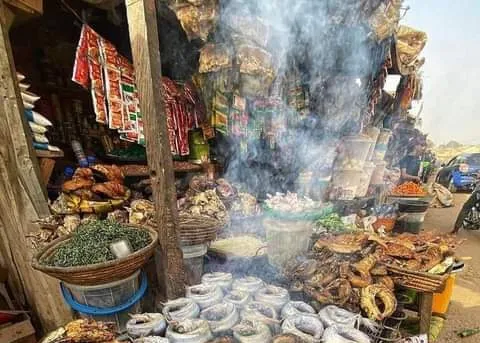
Photo: Frankincense Diala, CC BY-SA 4.0, via Wikimedia Commons
The Market Stall Has Something the Mall Doesn't
Walk through Makola Market in Accra on a busy Thursday morning and you'll witness something you almost never see in an American big-box store: consumers who are completely in control. They're touching fabrics, asking pointed questions, comparing prices across vendors, and leaning on the opinions of people they actually trust. Nobody's getting upsold on an extended warranty they don't need.
Ghana's retail landscape — a mix of bustling open-air markets, mobile commerce, and a rapidly growing e-commerce sector — has produced a generation of buyers who don't take product claims at face value. And honestly? There's a lot American shoppers can learn from that mindset.
At ChoicesGH, we're all about helping you make purchases you won't regret. So let's break down the specific habits and strategies that have made Ghanaian consumers some of the most value-conscious buyers in the world, and how you can apply them right here in the US.
The Art of the Verification Check
In Ghana's markets, counterfeit goods have long been a real concern — from fake electronics to imitation cosmetics. Out of necessity, shoppers developed strong habits around authenticity verification long before it became a hot topic in American consumer culture.
Many Ghanaian buyers routinely check manufacturer scratch codes, cross-reference product details on brand websites, and consult community groups before completing a purchase. Sound familiar? It should — because the same skills apply perfectly when you're shopping on Amazon, Walmart.com, or any third-party marketplace where counterfeit listings are genuinely rampant.
Try this at home: Before buying any mid-to-high-priced item online, run the product name plus the word "fake" or "counterfeit" through a quick Google search. Then check the brand's official site to confirm authorized sellers. It takes three minutes and can save you from a $200 mistake.
Ghana's mobile-first consumers also pioneered the habit of scanning barcodes and QR codes to pull up product information independently of what a seller is telling them. Apps like the USDA's FoodKeeper or barcode scanners like ShopSavvy give American shoppers that same power in grocery stores and retail chains.
Community Recommendations Beat Algorithm-Driven Reviews
Here's something interesting about how purchasing decisions get made in many Ghanaian communities: word-of-mouth networks carry enormous weight. Before buying an appliance or a phone, it's completely normal to ask several people in your circle — neighbors, coworkers, family members — what they've used and whether it held up.
American shoppers have largely outsourced this to star ratings, which — let's be honest — are incredibly easy to game. Fake reviews are a documented, widespread problem on every major US platform.
The Ghanaian model points toward something more reliable: curated human networks. In practice, that might look like:
- Posting in a Facebook group specific to your city or neighborhood before buying a local service
- Checking Reddit communities (like r/buyitforlife or product-specific subreddits) where real users share long-term experiences
- Using platforms like Wirecutter or Consumer Reports, which operate more like trusted community advisors than ad-driven review aggregators
The underlying principle is the same whether you're in Kumasi or Kansas City — you want opinions from people who have no financial incentive to steer you wrong.
Negotiation Isn't Just for Markets Abroad
Negotiation is deeply woven into the fabric of commerce across West Africa. Prices are starting points, not verdicts. And while you can't exactly haggle at a Target checkout lane, the negotiation mindset translates to American shopping in more ways than you might think.
Consider these negotiation-adjacent moves that US shoppers underuse:
- Price matching: Most major retailers — Best Buy, Walmart, Target, Home Depot — have formal price match policies. All you have to do is ask.
- Retention offers: Call your internet provider, insurance company, or streaming service and tell them you're thinking about canceling. You'll often walk away with a discount or an upgrade.
- Bundle requests: When buying multiple items, especially at smaller retailers or local shops, asking for a bundle deal is completely normal and frequently successful.
- Clearance negotiation: At furniture stores and appliance dealers, floor models and clearance items are often priced with wiggle room built in.
The Ghanaian shopper doesn't accept the first number as final. Neither should you.
Value Over Brand Name — Every Time
In emerging markets, brand loyalty is a luxury many consumers can't afford. That creates a fascinating side effect: shoppers become intensely focused on actual product performance rather than logo recognition. They ask, "Does this thing work?" rather than "Is this the brand I've seen on TV?"
American consumer culture runs in almost the opposite direction. We're heavily influenced by branding, packaging, and perceived prestige. That's not entirely our fault — billions of dollars in advertising are specifically designed to make us feel that way.
But stepping back and asking the Ghanaian market question — does this actually perform? — can lead you to surprisingly good finds. Generic or store-brand medications (which are FDA-regulated to be chemically identical to name brands), off-brand electronics with strong independent reviews, and lesser-known clothing brands with better construction than their flashy competitors all represent real value hiding in plain sight.
The Patience Premium
One more lesson from West African market culture: patience is a purchasing superpower. Vendors know that a buyer who isn't in a hurry has all the leverage. Impulse is the enemy of value.
Ghanaian market-goers often make multiple visits before committing to a significant purchase — comparing, thinking, returning. That rhythm is almost impossible in American fast retail, which is specifically engineered to create urgency.
But you can manufacture patience artificially. The "wait 48 hours" rule for any non-essential online purchase is one of the most consistently effective money-saving habits out there. So is building a wishlist instead of a cart. Both introduce the same friction that a second trip to the market creates naturally.
Bringing It All Together
Ghana's e-commerce sector is growing fast — projected to cross $1 billion in annual revenue within the next few years — and with it comes the same temptations and traps that American shoppers already navigate daily. What's remarkable is that Ghanaian consumers bring a pre-installed skepticism and community-reliance to that digital space that most American shoppers are only beginning to develop.
The smartest thing you can take from this isn't a specific app or a particular tactic. It's the underlying posture: you are the expert on what you need, and it's your job to verify everything else. Sellers have incentives. Algorithms have incentives. Your neighbor who bought the same blender six months ago? They just want to give you an honest answer.
Shop like that, and you're already ahead.