Paying for the Name Drop: How Influencer Deals Quietly Inflate Your Price Tag
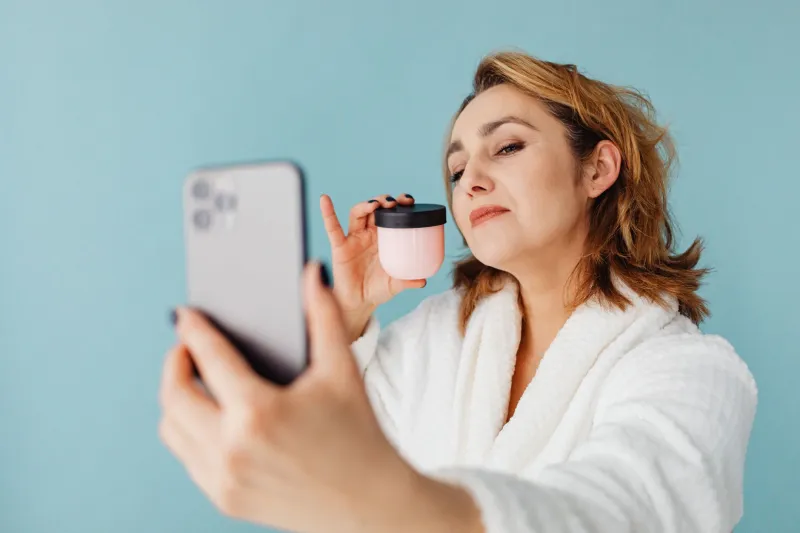
You're scrolling through Instagram and a familiar face pops up holding a bottle of vitamins, a skincare serum, or a blender. The caption is enthusiastic. The lighting is perfect. And by the time you've watched the reel twice, you've already tapped the link in bio.
Here's what nobody tells you before checkout: a chunk of that price you're about to pay has nothing to do with what's inside the bottle. It's paying for the face on the label.
The Hidden Line Item in Your Shopping Cart
Brands don't just hand celebrities and influencers free product and call it a day. Endorsement deals — whether it's a mega-star with 20 million followers or a micro-influencer with 80,000 engaged fans — cost real money. And that money has to come from somewhere.
According to marketing industry data, top-tier celebrity endorsement contracts can run anywhere from $500,000 to several million dollars annually. Mid-level influencers with strong niche audiences typically earn between $10,000 and $100,000 per campaign. Micro-influencers might get a few hundred to a few thousand per post. All of that spend gets factored into what's called the cost of customer acquisition — and it eventually lands in the retail price.
Pricing strategists call this the "endorsement premium." It's the markup a brand can justify simply because a recognizable name is attached to the product. Depending on the category, that premium can range from 20% to over 60% above a comparable non-endorsed product.
Translated to real life: that $48 celebrity-backed face moisturizer might have a manufacturing cost nearly identical to the $22 drugstore alternative sitting next to it.
Does the Star Power Come With Better Ingredients?
Sometimes — but not as often as the price implies.
The honest answer is that celebrity endorsements and actual product quality operate on almost completely separate tracks. A famous name attached to a supplement line doesn't mean the formulation was developed by anyone with nutritional expertise. A rapper's tequila brand doesn't guarantee the agave was sourced more carefully than the bottle next to it at half the price.
What endorsements do sometimes bring is better marketing investment — nicer packaging, more rigorous third-party testing to protect the celebrity's reputation, and stronger quality control because a public figure's credibility is on the line. In those cases, you might actually be getting a marginally better product experience. But "marginally better" rarely justifies a 50% price difference.
The categories where this gap is most pronounced tend to be:
- Skincare and beauty – Formulations are heavily regulated and ingredient lists are public. A $70 influencer serum with hyaluronic acid and niacinamide is competing with $18 drugstore versions using the same actives.
- Supplements and wellness – The FDA doesn't pre-approve these products, so the celebrity stamp adds perceived legitimacy without any guaranteed quality difference.
- Fitness and athleisure – Co-branded gear often uses the same manufacturer as the non-endorsed version, with logo placement driving most of the price increase.
- Food and beverage – Taste is subjective, but blind taste tests routinely show consumers can't reliably distinguish celebrity-backed spirits, snacks, or coffee from their unendorsed counterparts.
The Micro-Influencer Twist
Here's where it gets more nuanced. The influencer economy has fractured into tiers, and the micro-influencer space operates a little differently than the celebrity endorsement world.
Smaller creators — those with 10,000 to 200,000 followers in a specific niche — often partner with brands that genuinely align with their content. A fitness coach recommending a protein powder they've actually used for two years is a different situation than a pop star promoting a skincare line their team negotiated into a contract.
Micro-influencer deals also tend to cost brands less, which means the markup passed to consumers is sometimes smaller. And because these creators have more to lose with their tightly-knit audiences, they're more likely to actually vet what they promote.
That said, the FTC's disclosure rules exist for a reason. Any paid partnership — micro or mega — should be labeled as such. If you're seeing "#ad" or "paid partnership" in the caption, that's your cue to evaluate the product on its own merits, not on the enthusiasm of the person holding it.
How to Tell If the Premium Is Actually Worth It
The good news is that with a little digging, you can usually figure out whether you're paying for quality or just paying for reach. Here's a practical checklist before you tap that link:
1. Pull the ingredient or spec list. For skincare, supplements, or food products, the formula is the formula. Compare the active ingredients to drugstore or generic alternatives. Sites like INCI Decoder (for beauty products) or Examine.com (for supplements) can help you interpret what you're actually buying.
2. Search for the manufacturer. Many celebrity-branded products are white-labeled — meaning the same factory produces both the endorsed version and a cheaper store-brand equivalent. This is especially common in supplements, candles, and apparel.
3. Check independent reviews, not just the brand's page. Reddit communities like r/SkincareAddiction or r/Fitness are brutal about calling out overpriced products. So are consumer watchdog sites and YouTube reviewers who don't have affiliate deals.
4. Look at the return policy and certifications. A brand that's confident in its product quality tends to offer solid return windows and third-party certifications (NSF, USP, USDA Organic, etc.). Brands leaning primarily on celebrity appeal sometimes skip these investments.
5. Do the math on cost-per-use. A $60 celebrity shampoo that lasts two weeks costs more per wash than a $12 bottle that runs a full month. The headline price can obscure the real value.
The Bigger Picture
None of this means you should never buy an influencer-backed product. Sometimes they're genuinely good. Plenty of celebrity founders actually care about what they're putting their name on, and a few have disrupted their categories in real ways.
But the default assumption — that a higher price tied to a famous face signals superior quality — is exactly the kind of shortcut that costs American shoppers billions of dollars every year. Endorsement deals are marketing expenses dressed up as value signals.
At ChoicesGH, we think smart shopping means knowing what you're actually paying for. The next time a glowing recommendation sends you to a checkout page, take 10 minutes to look behind the label. You might find the same quality at half the price — just without the celebrity cameo.